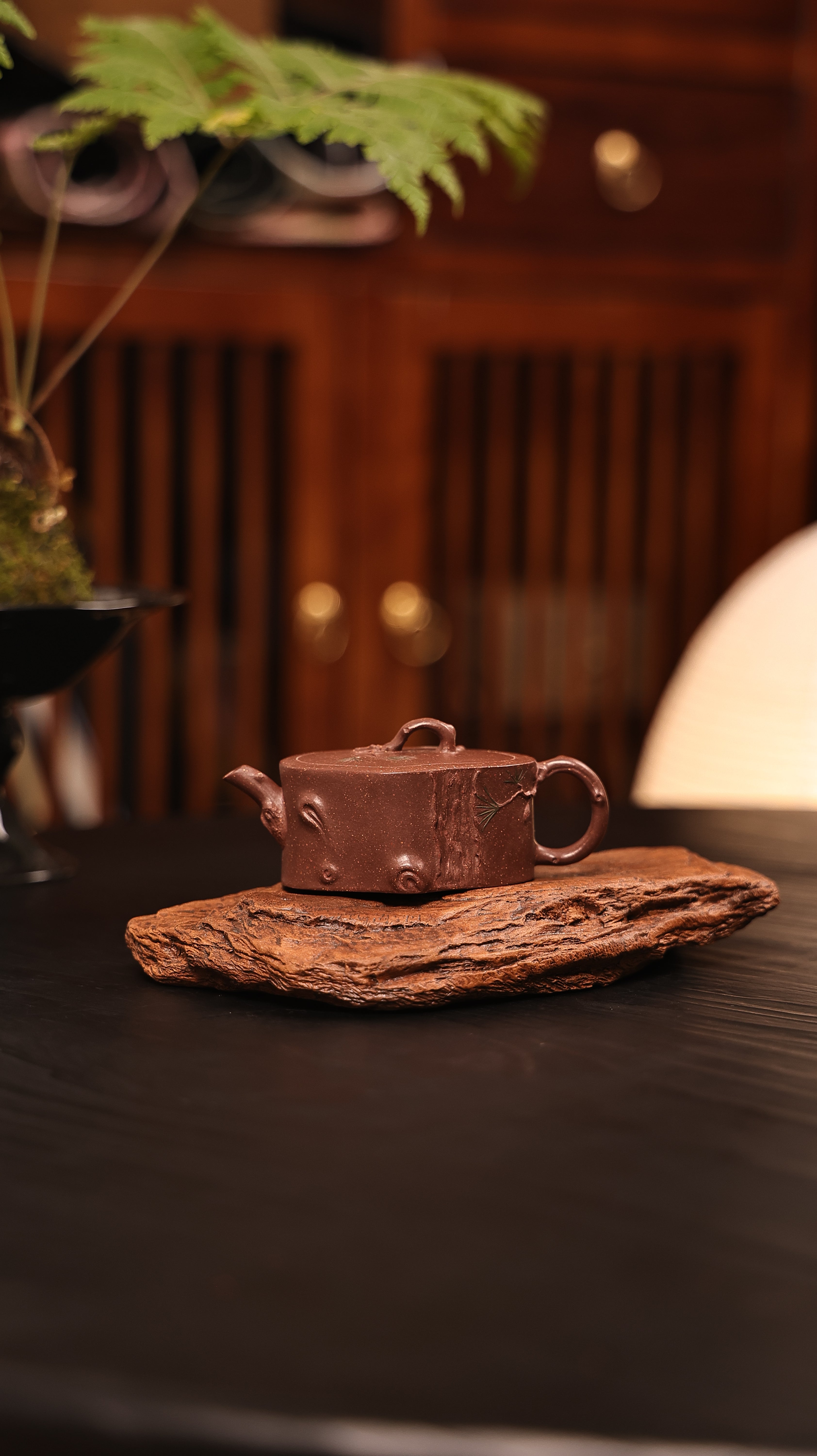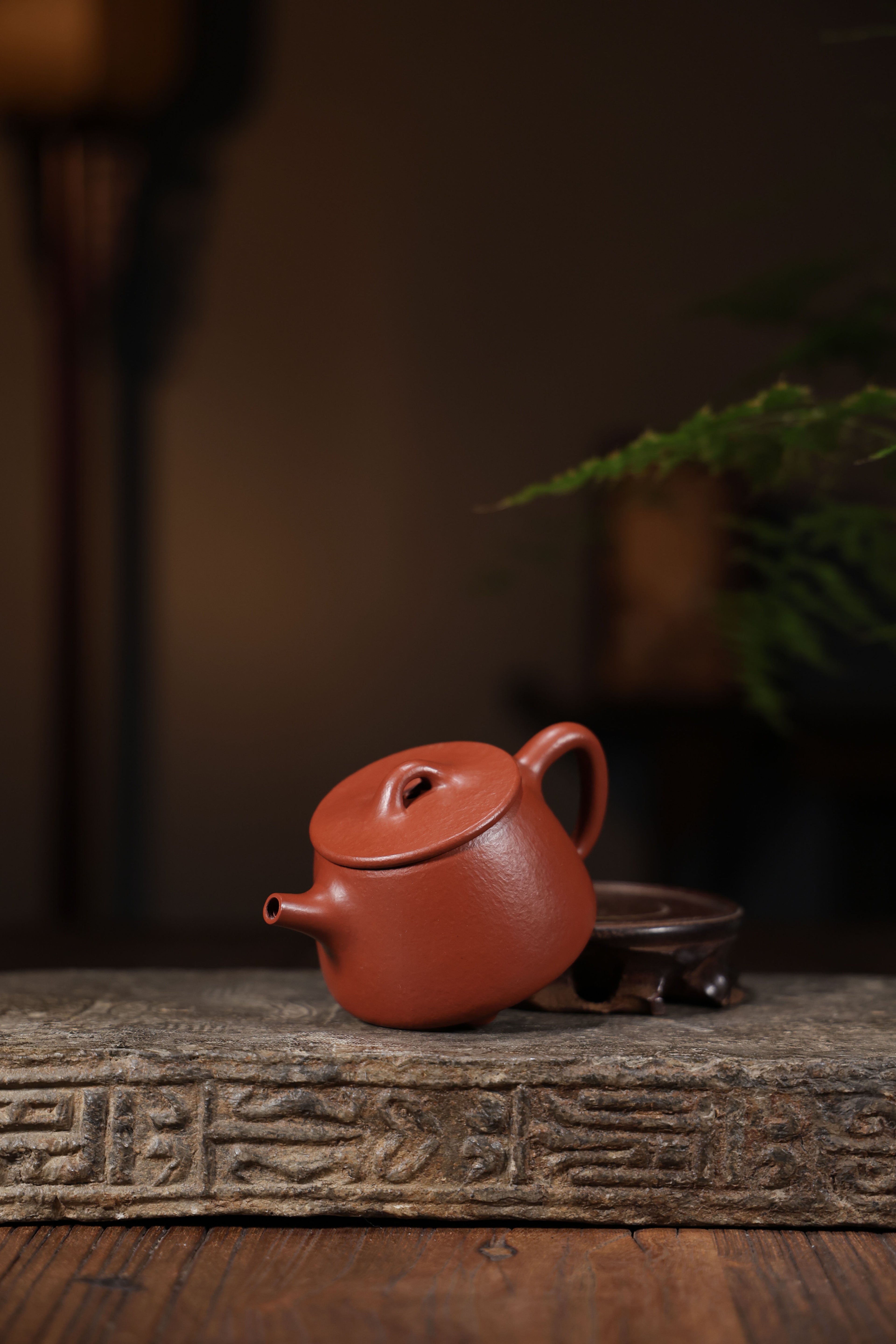
Amidst endless eras of heritage,
Throughout decades, enthusiasts have been fascinated by the uncommon charm of Yixing Zisha kettles. Originating from the territory of Yixing in the mainland, these pieces are renowned for their outstanding beauty, unusual clay, and fundamental ability to refine the note of the brew. The earth's distinctive maroon hue, combined with the masterful creation of provincial builders, creates artworks that are at once functional art and precious assets. Collecting a Zisha teapot is more than just an purchase; it's accepting a rich heritage heritage.
Decoding Yixing Teapots: Evolution, Classifications, and Significance
The notable Yixing teapots serve as a extensive heritage deeply intertwined with Chinese culture. Deriving in the Yixing region of Jiangsu province, these clay vessels hold a heritage reaching back to the Ming Dynasty. First examples were functional, but during centuries, Yixing teapot craftsmanship evolved into an esteemed art form. The clay itself, known for its unique porosity and ability to refine the flavor of the tea, lasts a defining factor. Yixing teapots emerge in various types, broadly categorized by shape: Timeless such as Zhuni (purple clay) and Bisheng, as well as unique designs. The value of a Yixing teapot centers on several factors, including the potter’s distinction, the age of the piece, the rarity of the clay, and its aesthetic charm.- Heritage: Early periods
- Clay: Several sorts
- Cost Determinants: Craftsman's renown
Mastering Zisha: Procedures and Makers
One crafting of a genuine Zisha teapot is a intricate process, requiring multiple cycles of experience. Seasoned artisans meticulously pick the finest Zisha clay, a exceptional earth found only in specific regions of China. Customary techniques, often inherited through families, involve exact shaping, refined carving, and patient firing in ancient stoves. The completed teapot isn't merely a object; it's a testament to imaginative vision and the deep connection between the artisan and their legacy. Each work showcases the particular touch of the specialist, resulting in a truly unparalleled work of art.
Historical Pottery: Delving into the Deep Practices of Yixing City
Esteemed Yixing, nestled in Jiangsu the expanse, is internationally renowned for its Yixing Teapot exceptional containers – a tangible representation of centuries of Chinese culture. These aren't merely vessels for creating tea; they are intricate works of skill, often reflecting ideological ideals. The unique purple clay, known as Zisha, possesses extraordinary qualities: the element dense, permeable, and imparts a subtle quality to the tea.
- Many lineages have honed the techniques of Yixing container making, passing down traditional methods through eras.
- Followers prize these pieces for their elegance and exclusiveness.
- Particular vessel tells a legend, connecting the recipient to a rich legacy.
Exploring Yixing Zisha: Key Considerations
During analyzing buying Yixing Zisha containers, a range of factors command careful assessment. To begin with, the ingredient's color is crucial; authentic Zisha commonly exhibits a identifiable auburn hue. Furthermore, assess the technique; distinct characteristics and a silky layer manifest competent workmanship. Lastly, investigate the potter's background; noted names garner elevated costs and often deliver a stronger yield.
Zisha Teapot Tea Brewing Mastery
Producing palatable tea with a Zisha pitcher is more over a simple habit; it's an specialty. Zisha clay, distinguished for its unique natural composition, imparts a refined character to the finalized tea that’s often missing with other containers. The right water thermal condition is key; typically, subdued than what's used for black tea, to save the tea's perfume and palate. Consider thoroughly the tea type; delicate green teas or aged pu-erhs improve from the Zisha’s ability to calm their original edge. It’s necessary to rinse the teapot before brewing, and to exclude over-steeping. Mastering this skill leads to a sincerely exceptional tea enjoyment.
- Recognizing Zisha Clay
- Temperature Control & Tea Category
- Criticality of Initial Heating
Preserving Your Yixing Ceramic Pot
With the aim of guarantee the life of your cherished Yixing vessel, ongoing servicing is truly key. Abstain from using cleaning agents; instead, non-aggressively spray it with hot H2O. Escape drastic variations; don't situate the container directly onto a heated stand. Periodically, prepare the teapot by percolating it with fine refined infusion, as this improves to improve its profile and defends the exclusive traits of the dirt.
Pertaining to Clay to Goblet: The Voyage of a Chinese Ceramic
This creation of a Zisha teapot is a extraordinary method, a evidence to both the land’s bounty and the finesse of the craftsperson. It launches with the careful extraction of the singular clay from the plum Zisha mines around Yixing. This virgin material, known for its exceptional attributes, is then steadily purified and molded for the foundational forming. The pot's configuration is professionally fashioned using a union of established hand-building techniques, often incorporating fancy enhancements. Following curing, the container undergoes a fundamental first firing, subsequent by a surface treatment stage, which might involve numerous layers of authentic Zisha paints. Finally, a second, and sometimes third, firing at high temperatures perfects the artifact, revealing its definitive beauty and magnificent characteristics - a honest masterpiece, available to enrich a tea event.
{Yixing Teapots: A Manifestation of a Customary Practice and Appreciation
The Yixing region teapots, originating from the well-known Yixing region of Jiangsu province, are far more than mere wares for brewing elixirs; they represent a meaningful aspect of Chinese society. Manufactured from distinctive purple clay – zisha – these distinctive teapots are highly prized for their ability to enhance the flavor of the tea and, crucially, for their aesthetic appeal. The legacy of Yixing teapot making spans centuries, and the expertise involved is transmitted through generations, making each teapot a masterpiece that embodies long-established techniques and a profound appreciation for the modest pleasures in life.