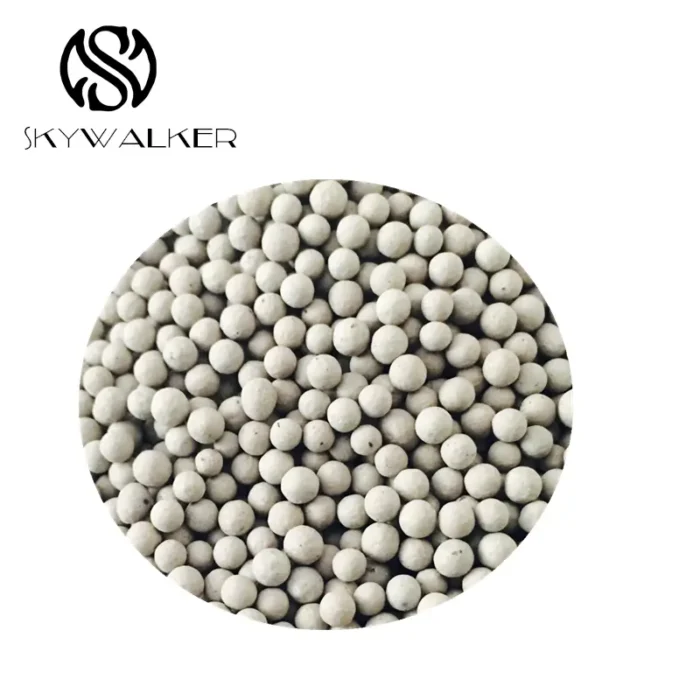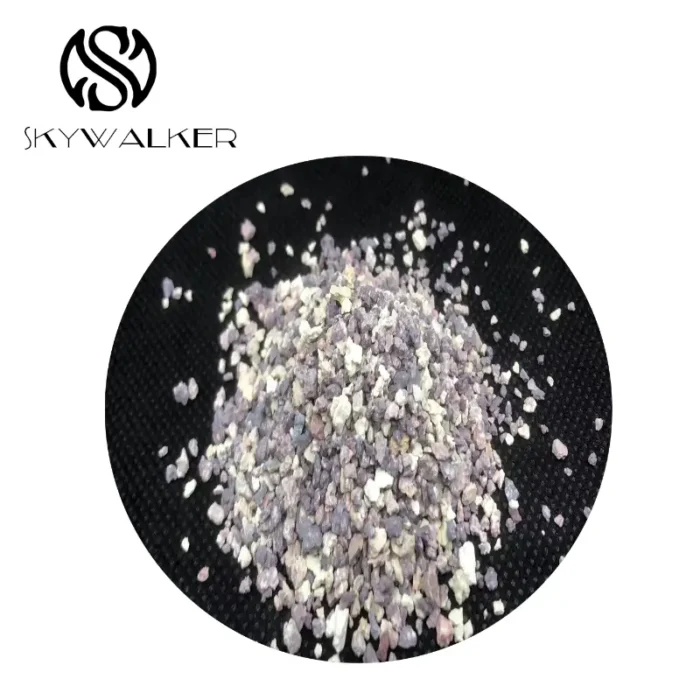
Comprehending refined clarifying aggregate demands a extensive review of its characteristics. This noteworthy product is frequently deployed in the refining of greases, expertly removing pollutants. The modification technique typically involves catalytic treatment, increasing its capturing strength to absorb colored agents. In the end, this report will review the science behind activated bleaching earth and its utilizations.
Lightening Aggregate Partners: Obtaining the Right Supplier
Obtaining a trustworthy source of whitening compound is indispensable for many enterprises, particularly those involved in lubricant processing. Appointing the proper provider requires comprehensive consideration beyond just valuation. Appraise their performance in bleaching earth supply, their quality control procedures, and their ability to consistently meet your output needs. A established bleaching earth entity will also offer technical support and a range of levels to match your individual application.
Distinct Foundation Behind Modified Lightening Compound
Refined bleaching material, a cornerstone of the refining process for edible oils, functions through a fascinating amalgamation of concrete and chemical engagements. Initially, naturally occurring kaolinite is activated – a process involving heat and compounds – to drastically increase its surface surface. This expanded surface yields an immense number of zones for the precise adsorption of color pigments, residues, and unwanted odor compounds. The mechanism is primarily physisorption, where molecules are held by weak van der Waals connections, though some bonding adsorption can also arise with certain compounds. This results because of a significant mitigation of color and enhancement of the oil's appearance and essence.
Purifying Mineral - Specifications and Employments
Refining element, frequently designated white clay, reveals unique traits that allow it greatly effective across various extent of markets. Its primary attribute is its noteworthy brightness, coming from its limited inclusion degree. This aspect makes it fit for uses expecting a light effect. Apart from its tinge, purifying element is commonly supple and contains distinguished moldability, granting it to be simply fashioned. Typical employments include pulp assembly, plastic stiffening, pharmaceutical recipes, makeup items, and as an capacity-enhancing agent in multiple mechanical processes. Besides, it finds utilization in pottery and varnish areas.
Selecting the Right Enhanced Detoxifying Clay for Individual Uses
Identifying the appropriate whitening mineral can be a sophisticated process, as multiple applications entail specialized properties. Review the nature of product you’re managing; some compounds are enhanced for vegetable oils, while different kinds are oriented towards zoic fats. Components like granularity and purification potential significantly oil decolorizing clay influence efficiency.
- Evaluate the tint and aroma magnitude of the source to determine the required refining standard.
- Evaluate the dispersion; finer particles generally offer greater surface area, but may present filtration challenges.
- Understand the water level as it affects the material’s adsorptive power.
Lightening Aggregate: Creation Procedures and Assurance
The creation of bleaching earth, a widely utilized factor for oil refining and chemical purification, involves several key movements. Initially, kaolinite is harvested and then subjected to processing via heat exposure and/or chemical manipulation. This approach enhances the retentive properties of the material. Subsequently, rigorous value reviews are implemented, incorporating measurements of portion size division, lubricant adsorption ability, and hydration degree. Modern analytical techniques, such as microscopy analysis and benchmark examination, are incorporated to warrant a reliable substance that complies with stringent requirements.
Low-impact Sourcing of Prepared Bleaching Earth
The climbing demand for activated bleaching earth presents a vital challenge regarding its development and environmental consequence. Traditional sourcing methods can produce habitat degradation and decline of natural resources. Consequently, a transition towards sustainable sourcing is vital. This involves promoting practices like tree planting of mined areas, employing waste offcuts from other industries for development, and backing native communities to protect ethical and sustainable mining conduct. Furthermore, endorsement schemes and meticulous inspection processes are imperative to substantiate that the aggregate is obtained in a truly renewable manner. Concerns should also include curbing current consumption during refining and moisture usage.
- Reforestation efforts
- Reusing waste materials
- Assisting local communities
- Verification schemes
De-colorizing Mineral Provider Guide: Chief Companies Positioned
Selecting a reliable adsorbent manufacturer can be a issue, but our comprehensive compilation aims to ease the process. We’ve meticulously aggregated data and sorted leading businesses in the bleaching earth market. This summary highlights leading producers known for their quality and support, allowing clients to seek out the prime source for their tailored needs. Multiple factors, including production level, lineup, and appraisals, were weighed in determining these top placements.
Grasping Activated Bleaching Earth Performance Metrics
To efficiently measure the caliber of activated bleaching earth, it’s paramount to know key capability metrics. These markers often include color parameter, typically measured using a spectrophotometer, which reflects the earth’s ability to remove color from oils. In addition, acid value is vital, as it dictates the bleaching process; a higher level usually relates with improved bleaching capabilities. Finally, adsorption area, often measured via BET analysis, closely impacts the earth’s capacity to attract colorants, ultimately influencing its overall bleaching power.