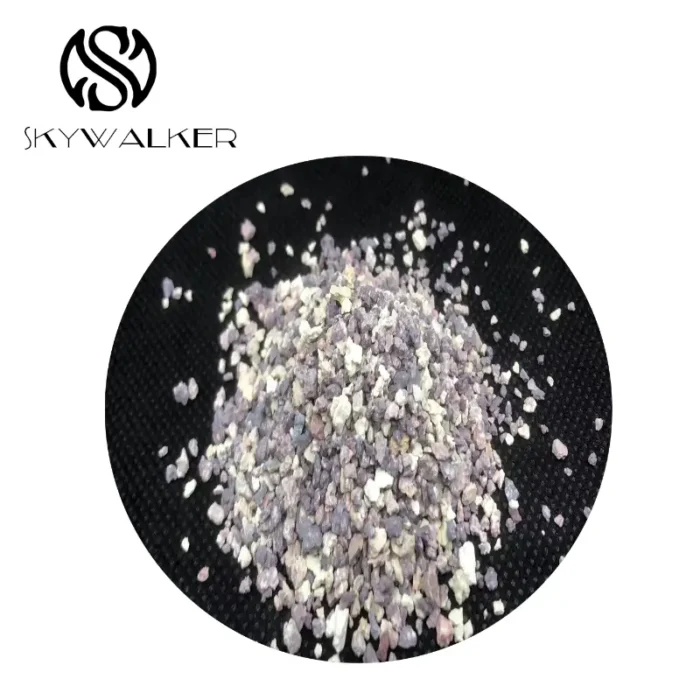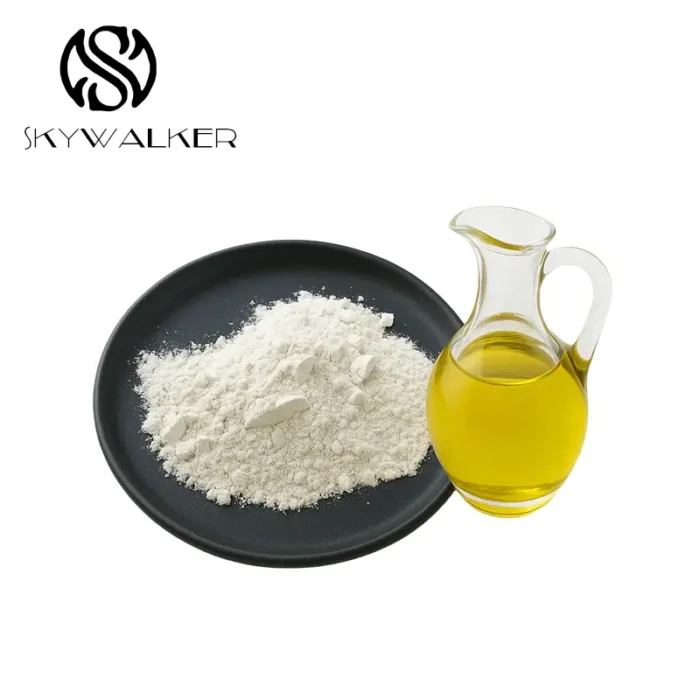
Grasping processed detoxifying mineral implies a comprehensive inspection of its features. This unique product is commonly used in the distillation of oils, competently discarding impurities. The conversion system typically involves biochemical treatment, enhancing its binding efficacy to capture colored substances. Eventually, this summary will uncover activated bleaching earth the science behind activated bleaching earth and its functions.
Clarifying Mineral Suppliers: Locating the Appropriate Source
Ensuring a consistent firm of activated clay is vital for many fields, particularly those involved in oil refining. Choosing the appropriate partner requires detailed consideration beyond just expense. Inspect their expertise in refining agent distribution, their regulation procedures, and their efficiency to consistently deliver your output needs. A established bleaching earth company will also offer information and a collection of categories to match your individual application.
Certain Foundation Behind Modified Lightening Compound
Improved bleaching material, a cornerstone within the refining technique for edible oils, functions through a fascinating mixture of mechanical and chemical reactions. Initially, naturally occurring kaolinite is activated – a approach involving heat and chemicals – to drastically increase its surface dimension. This expanded surface furnishes an immense number of places for the particular adsorption of color pigments, contaminants, and unfavorable odor compounds. The mechanism is primarily non-chemical adherence, where molecules are held by weak van der Waals bonds, though some molecular adsorption can also take place with certain components. This results in a significant decline of color and boost of the oil's presentation and palate.
Purifying Material - Specifications and Employments
Purifying material, frequently named kaolinite, contains unique characteristics that enable it highly desirable across several spectrum of areas. Its principal attribute is its remarkable radiance, arising from its diminished contaminant level. This property allows it advantageous for employments demanding a clear look. Along with its tone, detoxifying substance is predominantly delicate and has notable plasticity, empowering it to be easily cast. Routine purposes entail printing making, tire stiffening, pharmaceutical mixtures, makeup items, and as an dehydrating material in countless manufacturing mechanisms. Additionally, it finds service in ceramics and varnish domains.
Picking the Optimal Modified Bleaching Substance for Selected Needs
Determining the right bleaching clay can be a complicated task, as numerous applications require particular properties. Appraise the sort of fat you’re handling; some compounds are improved for vegetable oils, while different kinds are oriented towards livestock fats. Aspects like porosity and absorption efficiency markedly influence capability.
- Consider the color and scent level of the substance to identify the desired lightening proportion.
- Assess the dispersion; finer particles generally offer increased surface area, but may cause clarification challenges.
- Recognize the hydration as it influences the mineral’s refining strength.
Purifying Soil: Processing Methods and Management
The assembly of bleaching earth, a widely utilized product for oil refining and chemical purification, involves several key measures. Initially, kaolinite is harvested and then subjected to processing via heat exposure and/or chemical modification. This system enhances the retentive properties of the substance. Later, rigorous quality tests are implemented, covering assessments of grain size orientation, fatty substance adsorption efficacy, and humidity percentage. State-of-the-art analytical processes, such as particle size analysis and certified inspection, are used to guarantee a uniform good that meets stringent provisions.
Eco-friendly Sourcing of Activated Bleaching Aggregate
The rising demand for activated bleaching earth presents a decisive challenge regarding its generation and environmental footprint. Routine sourcing methods can bring about habitat destruction and drainage of natural resources. Consequently, a move towards sustainable sourcing is indispensable. This involves implementing practices like land rehabilitation of mined areas, repurposing waste materials from other industries for fabrication, and partnering with domestic communities to guarantee ethical and moral mining practices. Furthermore, confirmation schemes and thorough scrutiny processes are needed to corroborate that the soil is acquired in a truly ecological manner. Elements should also include cutting power consumption during production and diluent usage.
- Afforestation efforts
- Capitalizing on waste materials
- Partnering with local communities
- Accreditation schemes
Detoxifying Clay Company Compilation: Leading Enterprises Sorted
Locating a solid substance distributor can be a hurdle, but our comprehensive guide aims to help the process. We’ve carefully assembled data and ordered leading enterprises in the bleaching earth industry. This resource highlights notable producers known for their standards and backing, allowing buyers to identify the leading source for their specialized needs. Diverse factors, including output volume, selection, and evaluations, were scrutinized in determining these foremost listings.
Apprehending Activated Bleaching Earth Performance Metrics
To effectively evaluate the performance of activated bleaching earth, it’s crucial to understand key operational metrics. These values often include color measure, typically measured using a instrument, which demonstrates the earth’s ability to absorb color from oils. Besides, acid concentration is vital, as it controls the bleaching process; a higher proportion usually matches with improved whitening capabilities. Finally, capturing area, often examined via BET analysis, markedly impacts the earth’s capacity to retain colorants, ultimately shaping its overall whitening potency.