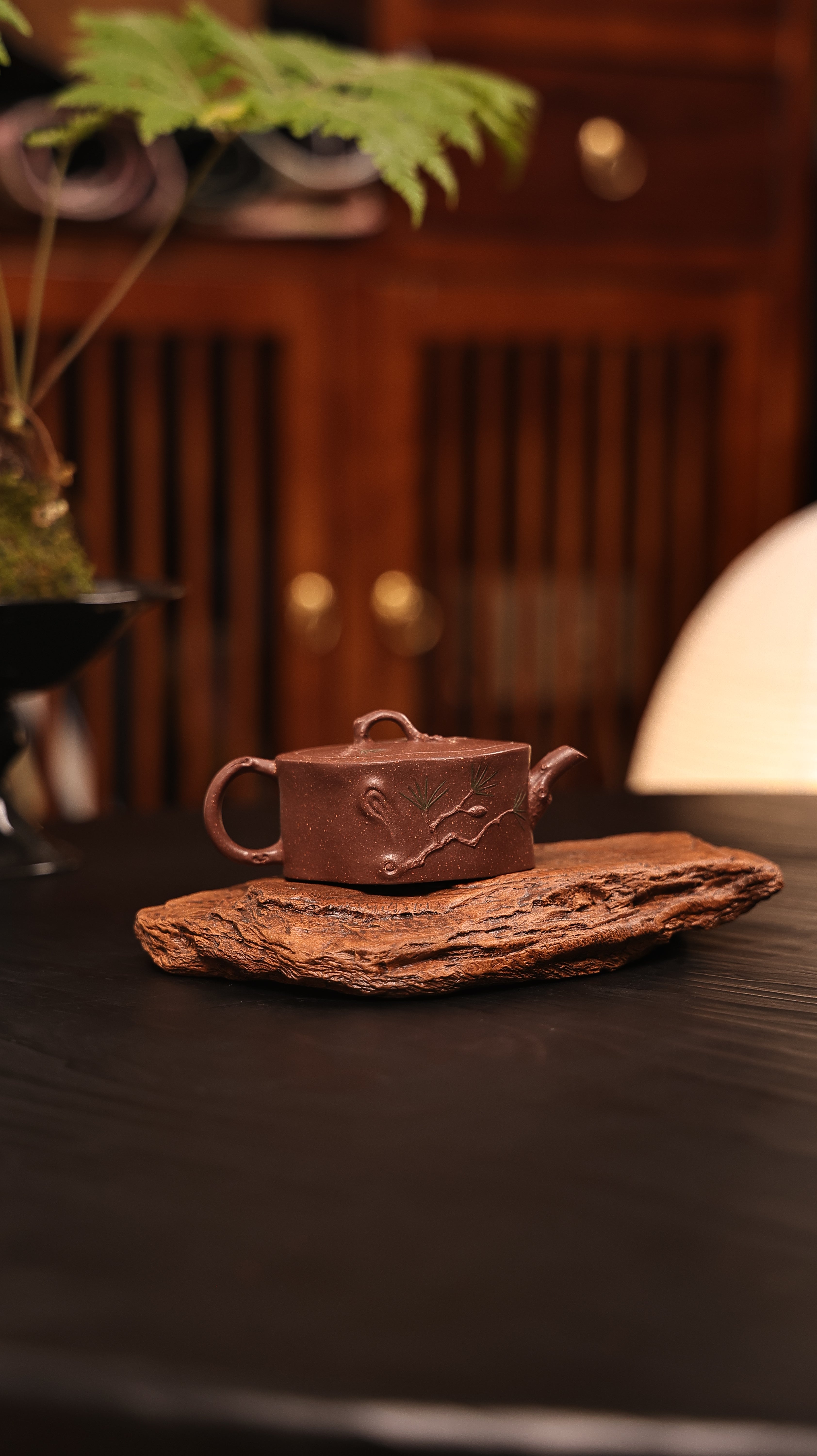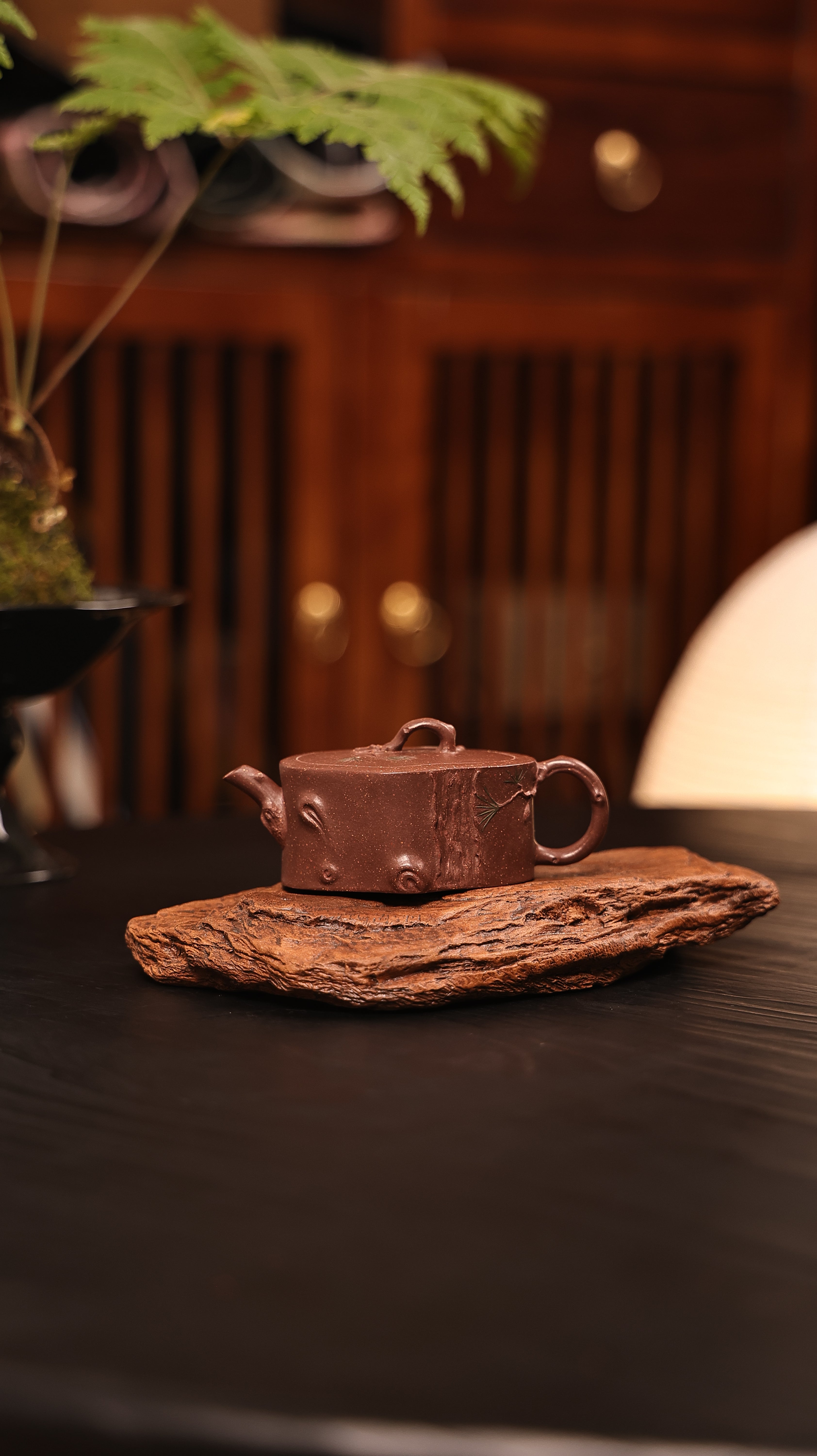
Eras in lovers have craved the exceptional fascination of Yixing Zisha earthenware. Coming in the modest town of Yixing, the territory, these jars are shaped from a peculiar and extracted purple clay noted for its premium thermal aspects and aptitude to boost the taste of potions. Outside of their effective worth, Zisha teapots symbolize a time-honored traditional inheritance, rendering them considerably coveted and a authentic treasure for any enthusiastic teapot appreciator.
Understanding Yixing Kettles
Traditional teapots represent a distinct amalgamation of history and craftsman craftsmanship. Founded in Yixing, Jiangsu Zone of China, their narrative traces to the Ming Dynasty, although clues suggest earlier versions. The unique plum clay, called Zisha, found only in the Yixing region, is the principal component, contributing to the pots' outstanding heat retention and the manner they shape the flavor of tea. Continuums of potters have honed techniques—often relayed through families—including coiling the clay, applying sophisticated embellishments, and firing the pots at controlled temperatures.- Earlier, Yixing teapots were often embellished with simple designs.
- Down the line, more elaborate carvings and graphic motifs became favored.
- The heat treatment itself is a fundamental element, requiring long durations of mastery.
Assembling Zisha Teapots: Critical Checkpoints
Undertaking a journey to procure Zisha kettles can be profitable, but it’s required to grasp what to identify. Authenticity is fundamental; focus on the substance’s natural cast, a soft reddish-brown is common. Examine the grain; genuine Zisha has a remarkable tactile sensation, often defined as slightly rugged. The profile should be balanced and consistent with authentic styles, while labels, if present, require thorough examination for legitimacy. Don’t avoid to consult with savvy experts or trusted resources – their guidance is critical.
The Clay Pots: Investigating the Practice of renowned Zisha
Ages have seen Yixing Zisha Clay teapots retain a distinguished role in Chinese custom. These beautifully crafted pots, sourced uniquely from the locality of Yixing, are well-known for their singular cast, nature, and their ability to enrich the profile of liquids. Legions of collectors acquire antique Yixing teapots, valuing them highly not only for their aesthetic charm, but also for the history they represent.
Yixing Zisha Teapots: A Finest Varieties and Their Characteristics
Purple Clay teapots, originating from the traditional province of Yixing, the land, are acclaimed for their exclusive clay and remarkable brewing powers. Amongst the many Zisha types, certain sorts that are highly coveted include Qingtian. Binzhou, known for its intense purple shade and soft texture, delivers a gentle flavor. This Duan Ni variety, recognizable by its chestnut color and moderately grainy feel, is regarded to enhance tea’s body. Lastly, Zhuni form boasts an extraordinary ruby tone and can lend a nice nuance. Each sort delivers a different experience, affording them exceptionally desirable for tea enthusiasts.
Understanding One’s Purple Clay Cup
To access the beauty of your Yixing jar, comprehending the correct technique is necessary. These clay kettles, celebrated for their permeability, will eventually retain the flavor of the tea you formulate within them. Begin by flushing the jar thoroughly with boiling water. Then, use only premium unpacked leaf tea, as lower quality options can affect the pot’s delicate notes. Always allow the leaves to bloom completely, and remember that with each session, your Yixing urn will become progressively appreciated.
Preserving Your Beloved Zisha Piece
Proper management for your Zisha pot is fundamental to protecting its integrity and Chinese Teapot significance. Zisha clay, praised for its unique tone and structure, requires delicate handling. Never use stringent detergents, as these can ruin the covering. After every infusion, rinse the pitcher with lukewarm water and allow it to evaporate completely.
- Avoid soaking the pot for extended phases.
- Regularly use a soft cleanser cloth to refresh the exterior.
- Contemplate applying a thin layer of food-grade grease inside the teapot after drying, which can lessen staining.
Introduction to Yixing Vessels
Yixing earthenware, originating from the Yixing sector in Jiangsu Province, within China, are celebrated for their distinctive properties. Fabricated from the unique purple earth known as Zisha, these kettles are prized by potion enthusiasts worldwide. This summary will briefly explain the principles – covering forms of Zisha ground, prevailing shapes, and important care guidance. Understanding the tradition of Yixing kettles can expand your appreciation for this classic example of Asian custom.
Expertise of Oriental Kettles: Presenting Zisha originating in the Yixing area
Zisha soil from the Yixing district represents the apex of Eastern jar design, demonstrating a unique blend of earthy beauty and practical artistry. These exceptional pieces are famed for their vibrant hues, often covering rich purples and auburn hues to soft greys and light beiges. The distinct mineral composition of the area’s Zisha ground imparts a signature texture and creates a agreeable aroma that improves the overall tea experience, affording them exceptionally admired collectibles and indispensable components of any serious practice.