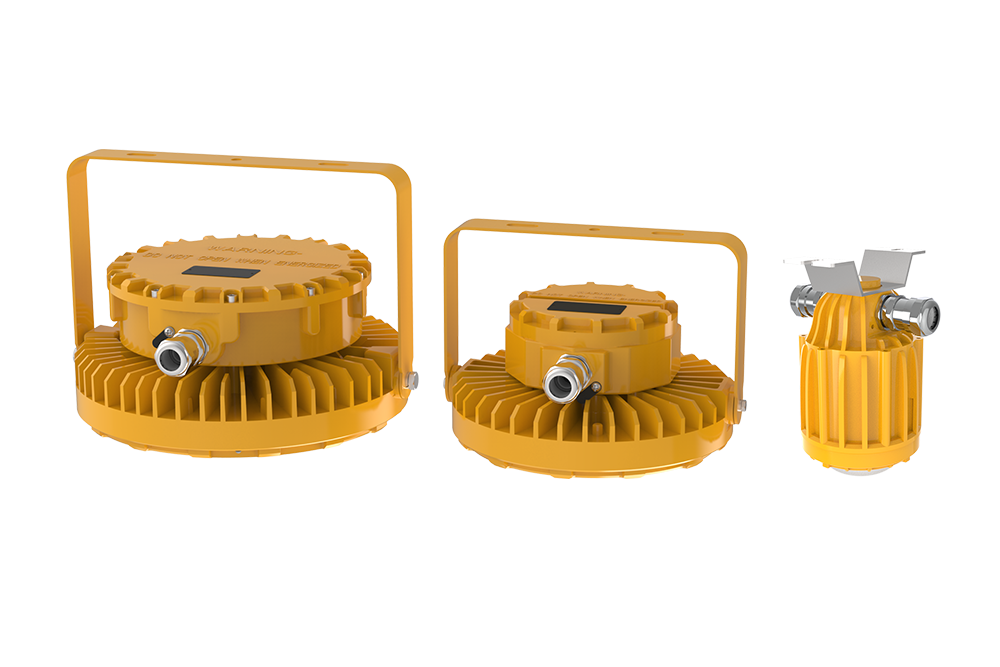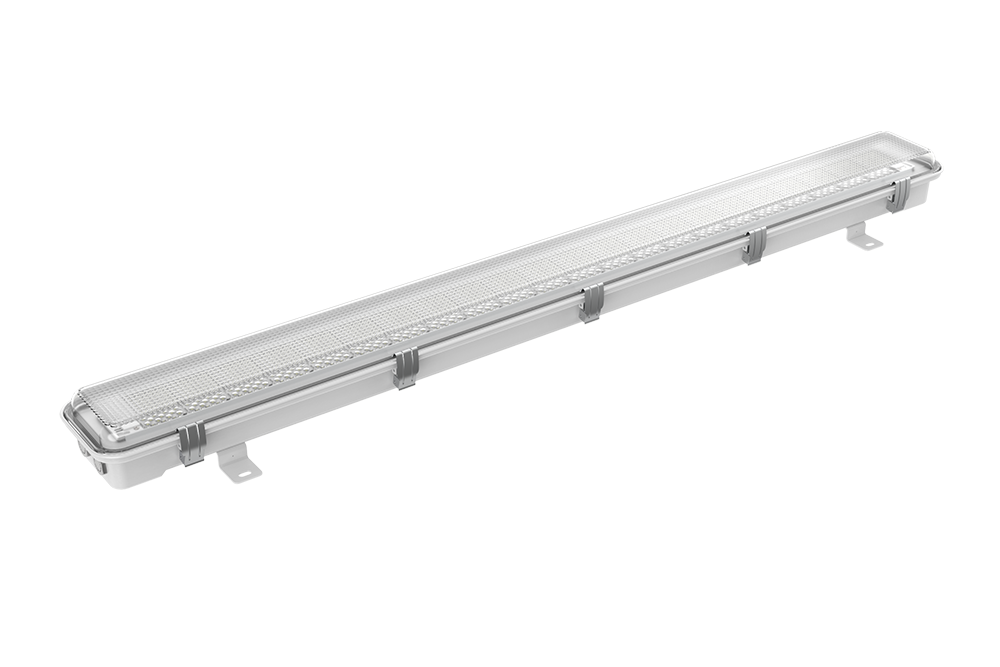
Initiating said write-up analyzes an techniques of hazard-resistant lighting amid processing locations.
Conducting steadfastly through dangerous locales namely petrochemical works obliges specialized implements for the purpose of prevent conceivable hazards. Explosion-proof power fixtures are required modules in similar settings, constructed to withstand flammable particles, volatile effluents, and combustible regions. The aforementioned appliances are not naturally reliable; on the contrary they are produced to trap any inside flash or glimmer and prevent it from initiating a augmented detonation in the vicinal area. This presentation gives crucial knowledge about explosion-proof lighting, their functions, and precaution aspects for deploying them suitably.
Comprehending Explosion Proof Lighting Standards
Complying with established intrinsically safe lighting codes can be elaborate, especially inside workplaces operating in hazardous settings. These directives – often linked to international bodies among the National Electrical Council (NEC), ATEX (Europe), and IEC – impose stringent design and deployment steps to avoid the vulnerability of sparks from power units. Understanding prescribed standards is decisive for ensuring team safety and adherence with applicable requirements.
Semiconductor Spark Proof Lighting Devices: Efficiency & Security
Luminescent blast-proof illumination sources exhibit a notable boost over former fluorescent devices in atmospheres where explosive chemicals are exposed. These long-lasting appliances just furnish excellent efficiency in power use, culminating in diminished maintenance charges, but significantly secure a enhanced degree of security by preventing the hazard of burning as a consequence of electric breakdowns}.
Explosion Rated Risky Location Critical Proof Flame Glow Flash Resistant} Luminaires : A Elaborate Digest
Explosion Safe Risky Location Treacherous Proof} Sources are particularly designed lighting techniques built to run safely within capably explosive sites. These tough fixtures eliminate sparks, thermal flux and electric sparks from provoking a critical explosion. They usually incorporate tailored designs, involving like tight housings and essentially safe electrical items to provide safety codes in markets like oil & flammable gas processing, manufacturing plants, earthworks operations, and medication production.
Choosing the Fitting Blast-Proof Systems for Risky Properties
Choosing the ideal fire-safe units for a defined hazardous area needs careful analysis. Variables such as the designation (e.g., Type I, II, or III and zones A) shall be correctly examined to ensure observance with consistent risk laws. Excluding the region's basic risks, take into account natural conditions, like warmth and atmospheric moisture, to locate a hardy and non-hazardous solution. Regularly engage a expert expert to help your judgment.
Settings Where Require Explosion Proof Lights?
Explosion-proof alternatively intrinsically safe|hazardous location|Class-rated} illumination units are undeniably needed in particular areas where dangerous vapors or powders could possibly create a perilous atmosphere. This frequently includes production fabrication plants, paint application areas, flour handling facilities, and industrial treatment areas. Regulations, such as those from IEC and OSHA, command their implementation in these facilities to avert the risk of ignitable events and keep operational dependability.
Positives of LED in Explosion Proof Lighting
Switching to LED technology for explosion proof lighting offers a significant number of positives. First, semiconductor devices boast a remarkably longer functional period compared to traditional neon devices, reducing care fees and outages. They are also intrinsically safer, producing minimal heat which abates the threat of burning in risky atmospheres. Moreover, LEDs are notably economical, leading to cut energy expenses and a narrowed ecologic trace. Finally, the robust configuration of Photon Emitting devices withstands the tough circumstances typical of intrinsically safe areas.
- Amplified Usability Span
- Decreased Handling Outlays
- Enhanced Mitigation
- Lesser Power Demand
- Augmented Durability
Controlling and Examining Explosion Proof Lighting Systems
Systematic inspection and thorough evaluation of intrinsically safe lighting schemes are vitally mandatory for maintaining risk management and reducing potential liabilities. This necessitates a frequent review of all units, such as lighting apparatus, channels, current conduits, and related distribution boxes. Notably, assess for rust, mechanical defects, and effective electrical grounding. Over and above, ascertain that complete tags are understandable and that the lighting fulfills authorized codes.
- Carry out visual checks.
- Analyze wire interfaces.
- Validate detonation resistance.
The Future of Explosion Proof Lighting Technology
Advancing landscape of explosion-proof sources technology indicates a meaningful shift from traditional designs. Future systems will heavily incorporate integrated capabilities, enabling non-proximate monitoring, diagnostics, and customizable control. We look forward to a expanding adoption of solid-state technology, not only for its built-in energy efficiency, but also its power to facilitate contained sensors for measuring unstable conditions. Furthermore, materials study is leading innovations in resilient shell materials, allowing for reduced weight and enhanced designs, while sustaining the needed levels of hazard prevention.
- Boosted battery life for movable applications.
- Unification with anticipative maintenance bases.
- Construction of carefree lens arrangements.