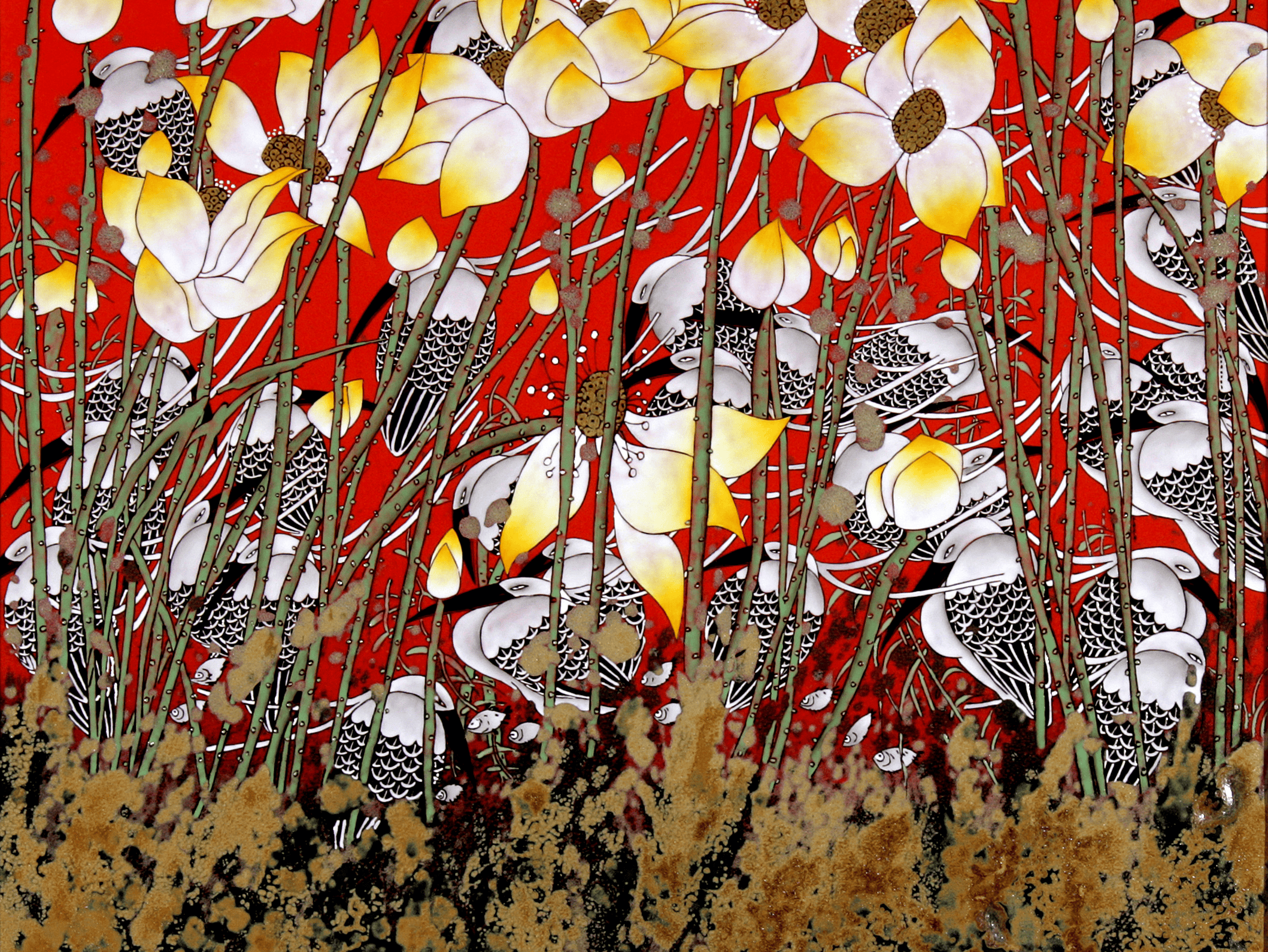
Earthenware work reflects a exceptional practice form with a lengthy heritage, extending back myriad of periods. From ancient containers to recent presentations, the material offers exceptional possibilities for creative expression. Artisans practice assorted techniques – including modeling, wheel turning, and elevated firing processes – to manufacture humble earth into stunning three-dimensional sculptures. The toughness of fired ceramic also contributes to its status as a truly important part of human tradition.
Analyzing Clay Board Designs and Processes
The domain of ceramic tablet design offers a ample array of original possibilities. Crafters often explore a blend of classic and new techniques to construct visually eye-catching pieces. These can include from simple, etched reliefs to complex, multi-layered formulations. Typical methods include pattern casting, forming by hand, coating application – which can involve diverse modes like primary coloration, applying decoration after firing, and engraved motif where designs are exposed by taking away a layer of finish. Additional exploration into finishing techniques such as the raku firing method and lustre decoration can yield truly rare and specialized clay tablets.
- Form Casting - Producing pieces using a shaped form
- Hand Building - Precisely forming the mud
- Enameling - Spreading the overlay with a smooth finish
- Etched illustration - Exposing designs by stripping overlays
Engaging Experiences: Stoneware Art Displays
The growing landscape of visual arts presents exciting groundbreaking avenues for attendees, and ceramic art installations are at the vanguard of this progression. These aren't just static pieces; they are engineered to envelop the spectator in a sensory atmosphere. Imagine travelling across a forest of towering, glazed ceramic trees, or navigating a web of detailed ceramic vessels. Many artists are now incorporating music, radiance, and even bouquet to enhance the feeling of their work. Picture the power of a room filled with hundreds of meticulously ceramic forms, each telling a story. Regularly, such installations delve into themes of wilderness, heritage, and humanity.
- Such installations blur the divisions between craft and construction.
- Viewing a ceramic art installation can be a deeply transformative journey.
- Artists are extending the boundaries of what is achievable with clay.
That Elegance of the Brick Vessel: Role and Structure
The earthenware container represents a lovely fusion of functionality and visual appeal. Historically, these containers served a simple role in keeping objects, but their advancement has transformed them into highly valued works of creation. Each object showcases the talent of the craftsman, demonstrating how profile can be as meaningful as utility. The meticulous shaping, the distinctive glazes, and the aggregate presence of a artfully-produced jar can enhance a space, offering both allure and a reserved reminder of the manual hand.
Modern Stoneware Work : Pushing Thresholds
Current porcelain work represents a fascinating development from established practices. Artists are dynamically innovating with novel approaches, questioning the borders between artwork and various craft domains. From expansive installations to ornate miniature pieces, mentioned works investigate themes of character while parallelly reshaping the basic of what earthenware can demonstrate. The effect is a exciting sector of originative expression.
Pottery Badge: Protecting Record in Earthenware
Porcelain plaques offer a special method for commemorating significant events and individuals. Opposite of traditional metal or stone markers, these durable pieces of creation are formed from processed clay, creating a physical link Jingdezhen Ceramic Cup Set to the yesteryear. Traditionally, they display intricate carvings or delicately designed imagery, revealing stories that might otherwise be lost. A technique, going back to ancient civilizations, provides a visually appealing and durable way to acknowledge our collective legacy.
- The aforementioned can be set in collective spaces.
- A large number of are now considered historical treasures.
Stoneware Art Presentations: Shifting Places
Ceramic art installations are emerging a powerful medium for artists to revise public and private locations. These immersive pieces frequently involve monumental clay objects that involve viewers, transforming their view of the created environment. By employing diverse methods like slab forming and elaborate firing processes, ceramic artists create truly original experiences, breaking down the limits between craft and environment. The outcome is often a poignant evolution that improves the stylistic quality of the place and cultivates debate.
Inception Spinning Device to Wonder: The Trade of the Pottery Pot
The journey of a porcelain jar from a simple lump of earth to a finalized work of mastery is a testament to human skill. Classicall, the process launches with the potter’s spinning device, where the expert artisan forms the circling soil into a cylindrical design. This preliminary stage demands clearness and a sensitive eye, followed by a delicate solidifying period. Once partially baked, the holder is ready for embellishment, which may require painting intricate ornaments, fashioning detailed views, or implementing a assortment of enamels. The definitive baking process then converts the artifact into a durable and stunning urn, a tangible symbol of the potter's dedication.
Crafting with Brick: A Guide to Clay Work
Immersing the landscape of ceramic craft begins with comprehending the foundations of crafting with porcelain. One process requires thoughtfully composing and cutting material to create three-dimensional objects. If you're a apprentice or a veteran sculptor, engaging with multiple classes of pottery – for example porcelain – will assist you discover your idiosyncratic manner. At last, stoneware crafting is a fulfilling journey that merges professional ability with creative exhibition.