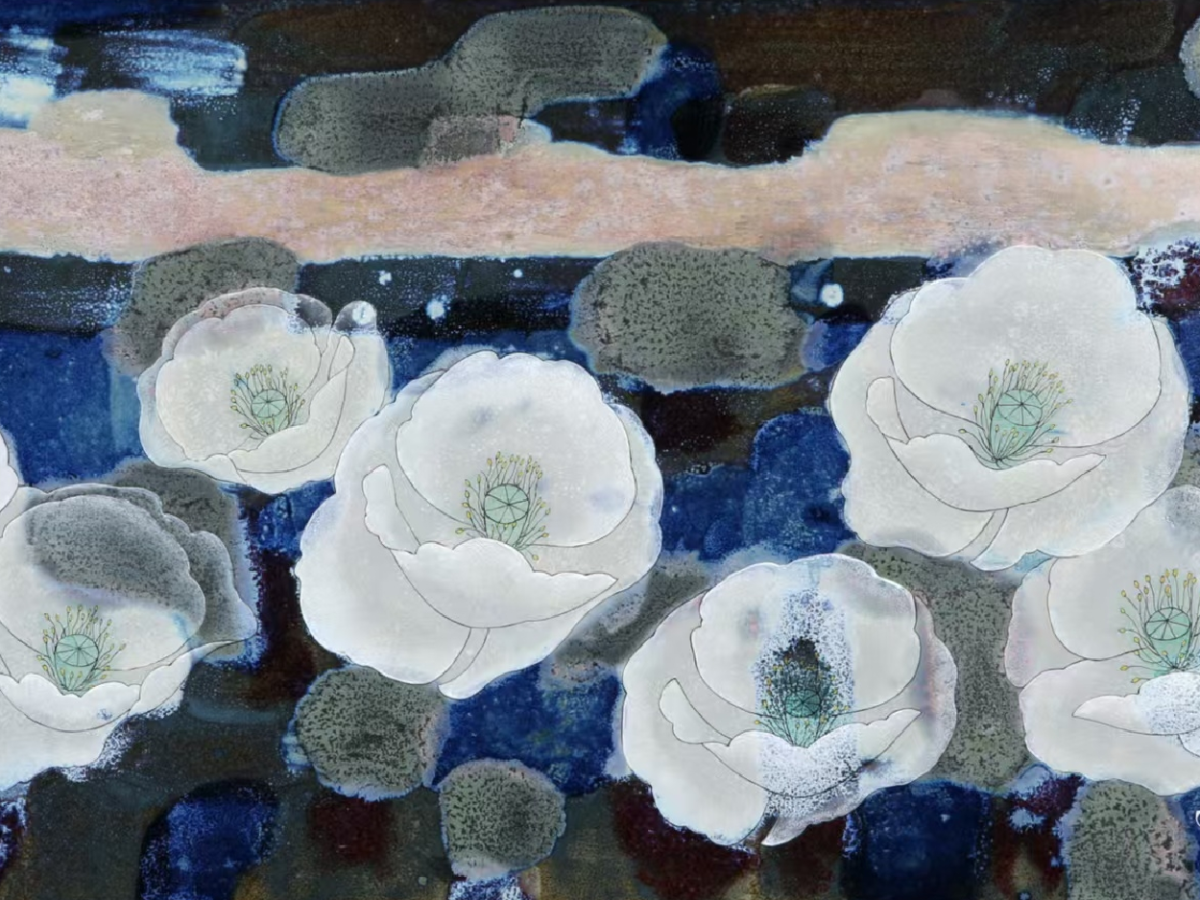
Earthenware work illustrates a distinguished discipline class with a long background, running back legions of centuries. From ancient urns to cutting-edge displays, the medium offers incomparable possibilities for creative representation. Artists work with several techniques – including constructing, wheel operating, and sophisticated firing processes – to convert humble terracotta into aesthetic three-dimensional works. The longevity of fired earthenware also contributes to its status as a truly timeless part of human legacy.
Researching Ceramic Tile Motifs and Approaches
The sphere of ceramic sign design offers a ample array of original possibilities. Sculptors often employ a blend of classic and new techniques to form visually beautiful pieces. These can cover from simple, engraved reliefs to complex, multi-layered structures. Widely practiced methods include template molding, manual molding, finishing glaze – which can involve an array of genres like pre-firing decoration, top glaze design, and carved drawing where designs are unmasked by peeling off a layer of varnish. Supplementary examination into exterior stylings such as raku and metallic glaze can create truly one-of-a-kind and individualized pottery plaques.
- Shape Forming - Fabricating pieces using a cast
- Manual Fabrication - Physically forming the earth
- Surface Treatment - Painting the top with a glassy finish
- Sgraffito - Highlighting designs by stripping finishes
Immersive Experiences: Brick Art Arrangements
The expanding landscape of imagination presents exciting contemporary avenues for observers, and ceramic art installations are at the leading edge of this progression. These aren't just static objects; they are crafted to envelop the audience member in a sensory setting. Imagine stepping into a forest of towering, finished ceramic trees, or navigating a web of delicate ceramic vessels. Many craftsmen are now incorporating audio, glow, and even perfume to enhance the feeling of their work. Imagine the power of a room filled with hundreds of individually ceramic figurines, each telling a tale. Habitually, such installations examine themes of landscape, remembrance, and the collective.
- The aforementioned installations blur the boundaries between design and architecture.
- Engaging with a ceramic art installation can be a deeply intimate journey.
- Craftsmen are redefining the constraints of what is accomplishable with clay.
Such Allure of the Terracotta Vase: Utility and Formation
The pottery receptacle represents a lovely amalgamation of practicality and creative appeal. Historically, these canisters served a essential function in keeping materials, but their advancement has transformed them into highly valued works of art. Each creation showcases the mastery of the builder, demonstrating how design can be as noteworthy as application. The deliberate shaping, the uncommon glazes, and the comprehensive presence of a beautifully-crafted urn can upgrade a space, offering both allure and a subtle reminder of the artisan’s hand.
State-of-the-art Pottery Work : Reaching Margins
Contemporary clay work represents a fascinating movement from time-honored practices. Artists are increasingly exploring with fresh tactics, merging the separations between sculpture and various visual realms. From massive installations to complex miniature pieces, referenced works scrutinize themes of character while simultaneously rethinking the essence of what ceramics can achieve. The product is a exciting arena of innovative manifestation.
Porcelain Tablet: Safeguarding Heritage in Ceramic
Pottery plaques offer a distinctive method for recording significant events and figures. Unlike traditional metal or stone markers, these durable pieces of production are formed from processed clay, creating a real Travel Cup link to the earlier period. Habitually, they present intricate embossments or artistically decorated imagery, illustrating stories that might otherwise be lost. The technique, going back to ancient communities, provides a elegant and immortal way to celebrate our collective narrative.
- They can be established in open spaces.
- Countless are now deemed historical artifacts.
Porcelain Art Showcases: Altering Spaces
Terracotta art installations are arising a compelling medium for artists to transform public and private spaces. These immersive pieces frequently involve significant clay figures that captivate viewers, reshaping their view of the constructed environment. By infusing diverse procedures like coil construction and comprehensive firing systems, ceramic artists produce truly singular experiences, challenging the thresholds between craft and architecture. The impact is often a impactful evolution that uplifts the expressive quality of the location and fosters interaction.
From Spindle to Marvel: The Practice of the Clay Holder
The journey of a ceramic jar from a simple lump of clay to a polished work of production is a testament to human inventiveness. Classicall, the process initiates with the potter’s circular platform, where the talented artisan carves the spinning earth into a cylindrical design. This primary component demands accuracy and a attuned eye, followed by a delicate firming period. Once bisque-fired, the urn is ready for finishing, which may engage designing intricate designs, cutting detailed vignettes, or using a collection of surfaces. The ultimate curing process then renders the component into a durable and remarkable jar, a tangible symbol of the potter's dedication.
Crafting with Porcelain: A Tutorial to Pottery Work
Engaging the landscape of brick craft begins with comprehending the foundations of fashioning with brick. This technique necessitates deliberately incorporating and chiseling volume to create three-dimensional forms. Whether you're a newcomer or a proficient artisan, exploring with multiple categories of porcelain – notably brick – will promote you locate your unique style. Ultimately, pottery pottery is a fulfilling adventure that unites practical expertise with creative interpretation.