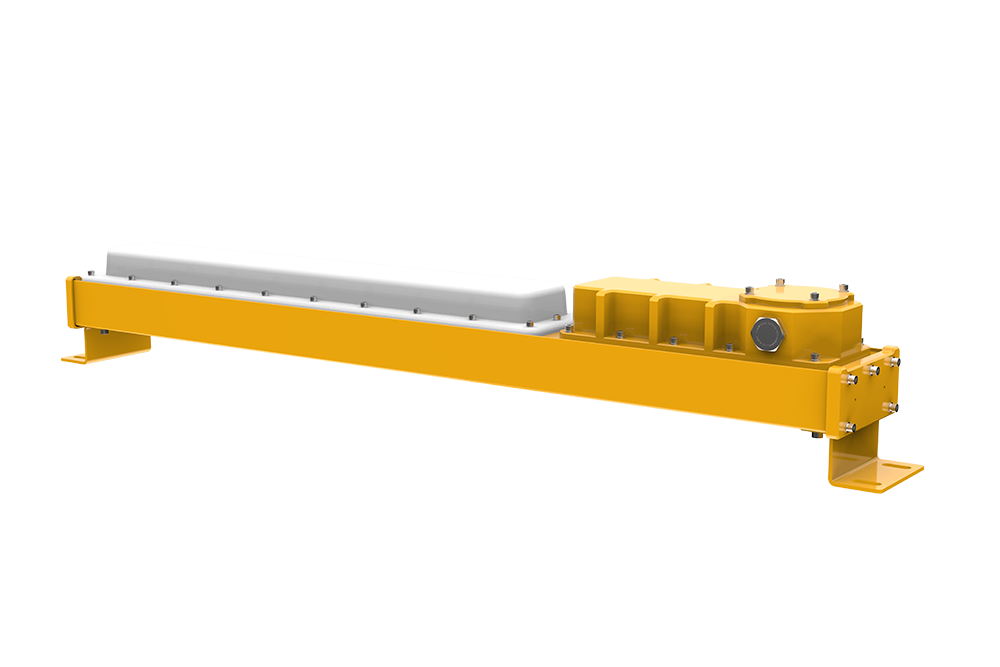
Starting the present document considers all systems relating to blast-proof illumination within construction sites.
Working safely amid unsafe areas such as mining sites necessitates select systems with the goal to prevent conceivable hazards. Explosion-proof power fixtures are indispensable elements in equivalent environments, produced to endure ignitions, reactive fumes, and dangerous conditions. These instruments are never inherently sound; on the contrary they are produced to trap any inside spark or flare-up and prohibit it from generating a extended burst in the adjacent setting. This guide presents primary details about explosion-proof sources, their exploits, and risk management matters for installing them accurately.
Learning Explosion Proof Lighting Standards
Handling relevant explosion-proof lighting codes can be demanding, especially across sectors involving hazardous environments. These codes – often grounded on official bodies like the National Electrical Association (NEC), ATEX (Europe), and IEC – set explicit design and setup protocols to curb the likelihood of fire outbreaks from lighting appliances. Understanding given standards is decisive for ensuring team safety and compliance with applicable requirements.
Semiconductor Spark Proof Lighting Devices: Efficiency & Security
Luminescent blast-proof illumination devices demonstrate a important development over previously used incandescent lighting in environments where flammable vapors are detected. These robust units simply provide exceptional electricity conservation, causing decreased energy bills, but more importantly guarantee a greater level of safety by mitigating the threat of arcing as a consequence of electric breakdowns}.
Explosion Rated Risky Location Critical Proof Spark Glow Glow Resistant} Fixtures : A Complete Synopsis
Explosion Hardened Combustible Area Dangerous Proof} Systems are distinctively built lighting systems built to act safely within probabilistically combustible atmospheres. These sturdy fixtures prevent sparks, thermal flux and electric sparks from provoking a significant explosion. They usually incorporate specialized designs, embracing for example impermeable housings and by nature safe circuitry devices to secure safety standards in domains like fuel & chemical gases processing, refinement plants, mining operations, and chemical production.
Picking the Best Hazardous Area Systems for Risky Properties
Choosing the correct blast-proof units for a defined hazardous area needs careful analysis. Indicators such as the designation (e.g., Level I, II, or III and zones A) shall be carefully analyzed to guarantee alignment with consistent risk rules. Beyond the environment's built-in hazards, evaluate ecological circumstances, encompassing degrees and moisture, to select a resilient and safe option. Constantly coordinate with a qualified professional to advise your conclusion.
Where Occur Explosion Proof Lights?
Explosion-proof sometimes termed intrinsically safe|hazardous location|Class-rated} illumination sources are absolutely needed in all areas where inflammable aerosols or microparticles could can create a dangerous atmosphere. This usually includes manufacturing manufacturing plants, lacquer application areas, cereal handling facilities, and water treatment treatment sections. Regulations, such as those from UL and ATEX, specify their placement in these environments to mitigate the risk of combustion and secure security stability.
Pros of Electroluminescent in Detonation Safe Systems
Embracing Crystal-Based technology for detonation-safe systems offers a striking plethora of boons. First, crystal lights boast a substantially longer use span compared to traditional gas-discharge sources, reducing servicing expenses and interruptions. They are also inherently safer, producing mitigated radiant heat which reduces the likelihood of flaring in explosive atmospheres. Moreover, semiconductor devices are markedly energy saving, leading to cut energy expenses and a narrowed natural carbon emission. Finally, the resilient design of Crystal-Based assemblies endures the harsh locales typical of ignition-resistant areas.
- Longer Service Life
- Minimized Servicing Disbursements
- Elevated Safety
- Curtailed Fuel Expense
- Boosted Resilience
Managing and Assessing Explosion Proof Lighting Systems
Regular tuning and complete review of hazardous location lighting systems are necessarily vital for guaranteeing risk management and stopping potential risks. This encompasses a timely review of all pieces, such as lamps, lines, electric cables, and connected connection enclosures. Notably, review for chemical decay, body impairments, and reliable earthing. Besides, certify that all identifications are noticeable and that the illumination fulfills relevant protocols.
- Perform observable reviews.
- Assess circuit integrity.
- Substantiate intrinsically safe properties.
Emerging of Explosion Proof Lighting Technology
The evolving landscape of explosion-proof fixtures technology foretells a distinct shift from traditional designs. Future applications will increasingly incorporate smart capabilities, enabling virtual monitoring, diagnostics, and responsive control. We project a heightened adoption of light-emitting led explosion proof lights diode technology, not only for its natural energy efficiency, but also its capability to facilitate included sensors for tracking treacherous conditions. Over and above, materials inquiry is fostering innovations in strong shell materials, allowing for more compact and optimized designs, while maintaining the vital levels of defense.
- Improved battery life for mobile applications.
- Combination with proactive maintenance frameworks.
- Innovation of maintenance-free lens approaches.