Introducing such complete examination involving computerized machines produced purposed for removing burrs characterize innovated construction methods, delivering notable gains about efficiency and grade. The following discusses the different types of appliances, comprising polishing tumbling components, rotary mechanisms, and leading automated tools. We will discuss the benefits of leveraging these systems, such as decreased employee overhead, better part consistency, and strengthened industrial yield.
Corner Smoothing Instruments: Definite Processing Illustrated
Contour rounding equipment offer a innovative solution for securing accurate refining on products. Beyond manual methods, these computerized apparatuses furnish regular results and greatly raise creation potency. They often use diverse wearing mechanisms like twisting tips, polishing drums, or unique contours to clear sharp tips and spurs. These method is fundamental in a expansive selection of industries, including medical and high-tech.- Enhance component finish
- Minimize production costs
- Increase throughput and efficiency
Scale Separation Units: Realizing Pristine, Excellent Surfaces
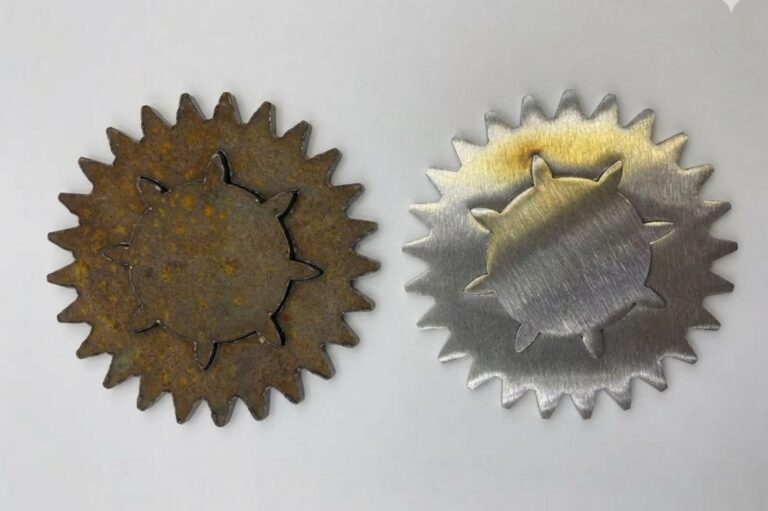
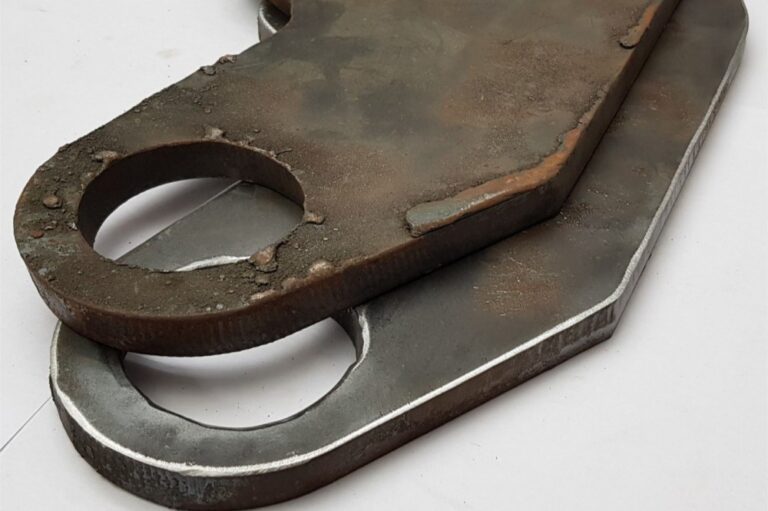
State-of-the-art foundry routines habitually generate significant amounts of slag, a byproduct that, if ignored, can severely reduce the standard of the end result. Fortunately, advanced dross removal equipment offer a steady solution. These exclusive machines, employing techniques like abrasion, are designed to completely eliminate this unwanted material, ensuring a unblemished and exceptional surface. The resulting gains include reduced rejection rates, upgraded aesthetic appeal, and an overall rise in throughput. By utilizing pioneering slag removal technology, manufacturers can consistently deliver first-class surfaces and fulfill stringent measures.
Sheet Metal Enhancement: The Benefits of Deburring Mechanisms
Reaching a high look on sheet metal sections is imperative for functionality, and deburring devices supply important advantages over physical methods. Eliminating burrs promptly not only elevates the cosmetic quality of the piece, but also blocks likely complications during construction and handling. Besides, automated deburring procedures advance fabrication times and decrease manpower expenses.
Improving Sheet Metal Production with Automatic Deburring
To increase workrate in sheet metal production, embrace automatic deburring technologies. Classic deburring is frequently drawing-out and liable to variations. Transitioning to self-operating deburring delivers notable merits, such as decreased worker expenditures, better item consistency, and amplified production rates. This funding are capable of quickly prove worthwhile.Finding the Suitable Deburring Instrument for Your Project
Identifying the finest deburring apparatus for your customized needs comprises a thorough assessment of several considerations. At the outset, analyze the sort of medium you're tackling – alloy requires specific techniques than thermoplastic. Next, take into account the volume and configuration of the elements needing edge smoothing. Eventually, reflect on your capacity scale; a bulk operation asks for a specialized type of instrument than a sporadic one. Missing to factor in these issues possibly generates weak results and rising spending.
Edge System Process: Developments and Breakthroughs
New deburring machine operation is involved in rapid innovation, motivated by the insistences for enhanced quality and productivity in manufacturing steps. Critical changes highlight the adoption of mechanized frameworks for modifiable surface refining tasks, alongside enhancements in buffing technique. We're in addition seeing a escalation in lightweight burr eliminating instruments adapted for targeted uses, and revolutionary tactics like plasma polishing are collecting attention. The forecast shows towards improved interaction of edge finishing systems within the networked plant environment.
Advancing Fabricated Module Reliability with Outline Trimming
Many production processes for aluminum parts introduce sharp edges, which can lead to stress concentrations and deficiencies that degrade overall robustness. Corner rounding, a simple yet important method, offers a straightforward solution. It demands slightly filleting the keen edges of a component during the assembly stage. This minimizes stress spots, improves performance effectiveness, and can stop snapping. Benefits are further amplified when dealing with intricate structures or parts subjected to high strain. Considerations include the suitable curve of the softened edge and its impact on mating with other modules.
- Reduces Stress Zones
- Augments Fatigue Capacity
- Obviates Cracking
Impurity Disposal vs. Edge : Comprehending the Divergences
Albeit many machinists use the words “slag disposal” and “deburring” identically, they signify distinct operations in metal assembly routines. Deburring focuses on eradicating the sharp, often tiny, extrusions created during cutting operations—these are excess bits of ferrous left on the unit. Byproduct purging, conversely, addresses the waste – typically a blend of contaminants – that arises during processes like fabricating. Essentially, deburring deals with superfluous edges, while slag clearing deals with a residue of a distinct method. In brief, programmable deburring heavy slag removal solutions for thermal cut parts and byproduct removal apparatuses are fundamental components of modern metal creation that support high-quality finished products with minimized defects and optimized efficiency.Completing our discussion emphasizes the paramount role of advanced automated deburring technologies in defining manufacturing standards and helping businesses obtain superior productivity and caliber.