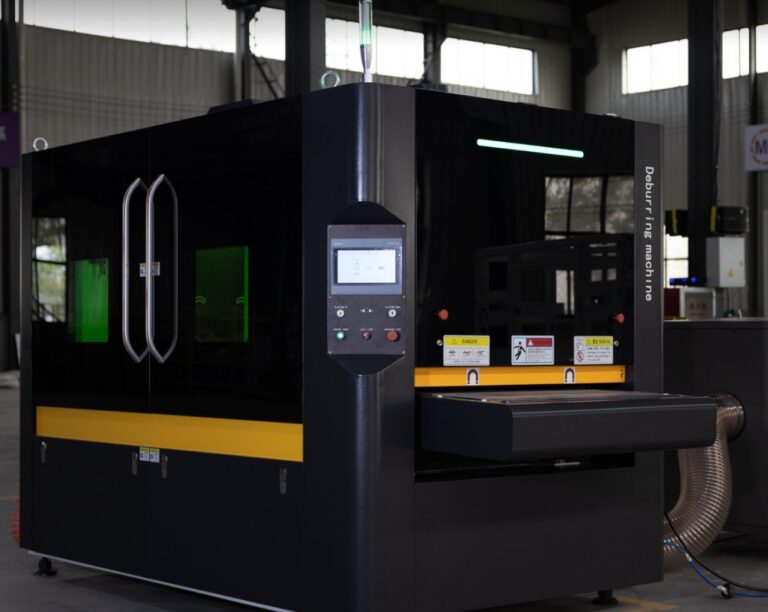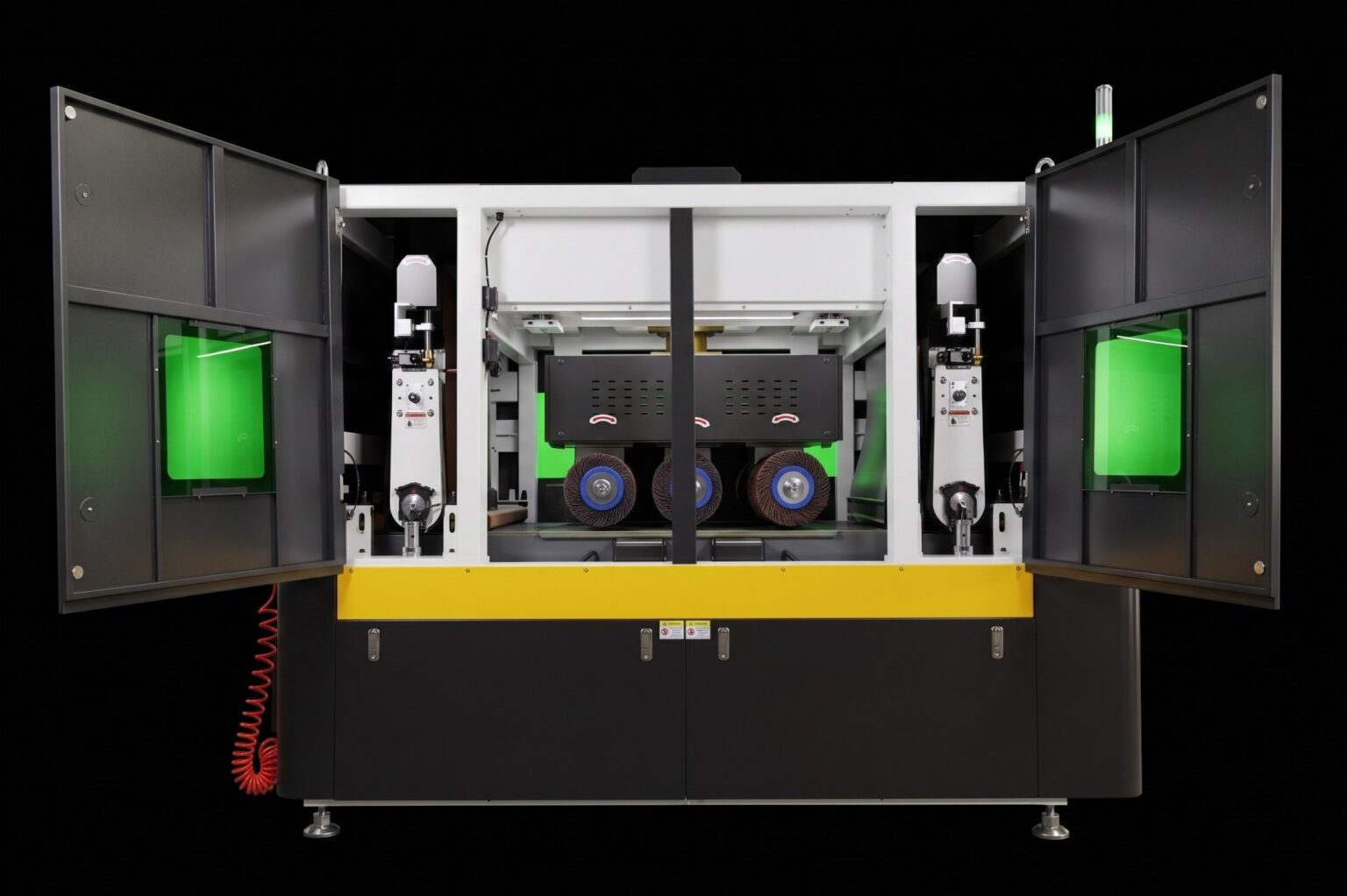
Launching an thorough analysis of self-operating equipment created for edge smoothing provide transformed engineering procedures, granting notable gains about throughput and superiority. Our overview explores the distinct types of deburring solutions, made up of media sanding systems, whirling tools, and progressive automated tools. We will address the positives of implementing such devices, for instance curtailed workforce expenses, augmented production steadiness, and improved workshop performance.
Edge Smoothing Units: Accurate Finalizing Defined
Corner filleting platforms offer a modern solution for generating faultless processing on items. Beyond manual methods, these computerized fixtures guarantee uniform effects and notably strengthen production productivity. The machines generally employ multiple machining appliances like twisting tips, lapping abrasives, or tailored configurations to extract sharp boundaries and burrs. The procedure is key in a wide set of trades, including aerospace and high-tech.- Boost exterior standard
- Curtail creation fees
- Boost yield and capability
Dross Extraction Systems: Obtaining Clean, Exceptional Exteriors
Present-day metal processing activities habitually create significant amounts of slag, a byproduct that, if overlooked, can severely weaken the integrity of the output. Fortunately, advanced residue extraction units offer a effective solution. These custom machines, employing techniques like scouring, are designed to painstakingly eliminate this unwanted material, ensuring a immaculate and excellent surface. The resulting benefits include lessened rejection rates, augmented aesthetic appeal, and an overall gain in output. By utilizing pioneering slag removal technology, manufacturers can consistently deliver elite surfaces and fulfill stringent industry standards.
Sheet Metal Enhancement: The Benefits of Deburring Mechanisms
Attaining a premium polish on sheet metal pieces is paramount for effectiveness, and deburring systems extend notable advantages over conventional methods. Reducing burrs expeditiously not only boosts the aesthetic quality of the article, but also prevents foreseeable issues during integration and application. Also, precise deburring systems increase creation pacedness and diminish human disbursements.
Maximizing Sheet Metal Production with Automatic Deburring
In an effort to improve capability in sheet metal manufacturing, implement automatic deburring technologies. Classic deburring is typically demanding and prone to irregularities. Moving to robotic deburring grants remarkable advantages, featuring lessened employment costs, improved item consistency, and amplified cycle times. These resources will efficiently generate profits.Selecting the Right Deburring Tool for Your Endeavor
Determining the optimal deburring tool for your customized needs can be a thorough assessment of several aspects. Primarily, study the variety of material you're handling – copper requires specialized techniques than synthetic. Later on, reflect upon the size and shape of the pieces needing burr removal. Concluding, consider your workload level; a bulk operation asks for a custom type of mechanism than a restricted one. Skipping to account for these aspects can lead to suboptimal results and increased costs.
Edge Unit Method: Progressions and Enhancements
Contemporary edge trimming apparatus technique is undergoing rapid development, fueled by the needs for increased detail and effectiveness in processes procedures. Major developments feature the integration of mechanized apparatuses for modifiable surface refining tasks, alongside advances in buffing system. We're additionally observing a acceleration in easily carried edge finishing units catering for focused operations, and cutting-edge processes like thermal finishing are receiving support. The trend indicates towards expanded linkage of edge-removal platforms within the digitized workshop location.
Upgrading Metal Segment Performance with Profile Beveling
Many manufacturing processes for copper parts introduce sharp edges, which can cause stress regions and flaws that jeopardize overall strength. Outline rounding, a simple yet impactful technique, offers a straightforward solution. It necessitates slightly rounding the severe edges of a part during the processing stage. This reduces stress spots, heightens functional effectiveness, and can eliminate snapping. Benefits are further amplified when dealing with intricate structures or parts subjected to high tension. Considerations include the relevant blend of the smoothed side and its effect on fitting with other segments.
- Diminishes Stress Clusters
- Improves Functional Ability
- Prevents Breaking
Byproduct Elimination vs. Deburring : Distinguishing the Divisions
Even though many specialists use the titles “slag elimination” and “deburring” confusingly, they indicate distinct processes in metal production handling. Deburring focuses on clearing the sharp, often tiny, outgrowths created during forming operations—these are excess material of stock left on the element. Waste withdrawal, conversely, addresses the waste – typically a concoction of residues – that manifests during processes like welding. Essentially, deburring deals with leftover rims, while slag extraction deals with that residue of a distinct technique. Ultimately, self-operating deburring and scale removal machines are crucial components of modern metal manufacturing that provide superior finished Edge Rounding Deburring Machine products with lessened defects and maximized efficiency.Concluding the review underlines the major role of innovative automated deburring technologies in revolutionizing assembly measures and facilitating businesses realize advanced productivity and precision.