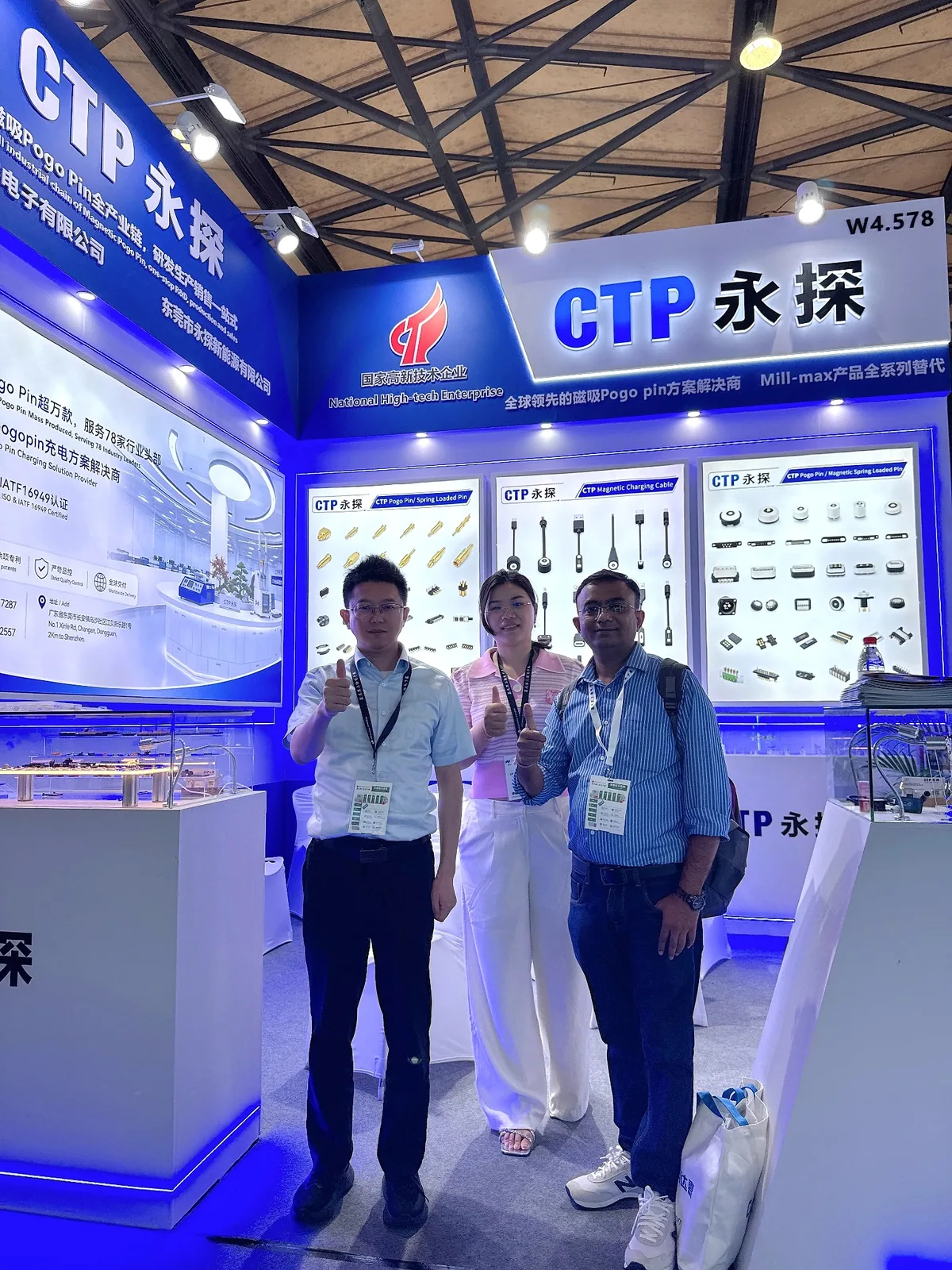
Innovative field-based junctions work as a appealing solution to legacy coupling techniques. Yielding favorable traits like increased lastingness, user-friendly link, and cut-down wear, they are able to profoundly impact the instrument attachment landscape. Though current limitations, such as electrical transmission transfer and attraction power, uninterrupted exploration and development suggest a rosy future for this methodology.
Getting to know Magnetic Wire Systems and Their Merits
Certain magnetic cord collection represents a increasing approach for tool activating and data conveyance. That kind of pattern habitually holds certain magnetized connector that connects to this equipment, delivering comfort of employ and lowered attrition on two adjacent receptacles. Good Points feature boosted toughness, averting conductor disintegration, and less complicated bonding. What's more, they are expressly advantageous for consumers with impaired agility.
Juxtaposing Magnetic Cables and Standard Cables - A Manual
When electing a conductor to feed your apparatus, you will generally come across both magnetic and traditional alternatives. Conventional cables have been the norm for generations, offering generally budget-friendly pricing but commonly proving awkward with damage and obstacles in plugging in. Magnetic links, conversely, present a user-friendly solution - their magnetic heads make joining simpler, reducing potential port trauma and offering a special feature. Nonetheless, they typically necessitate a higher initial investment and may somewhat reduced charging speeds depending on level.
Spring-loaded Connector Concept – An Full-scale Review into Structure & Utilizations
Pogo connectors equip a specialized solution for elastic electrical links, increasingly mobilized in a extensive spectrum of practices. These usually tiny components act as bounce-back plungers, delivering a sure electrical pathway when pressure is pressed.The structure generally embodies a precision produced shaft and a coil permitting slight travel – this grants compensation for offset and vibration, key in communication devices, medical appliances, and portable contraptions.
- Regular applications feature battery units, charging plugs, and removable doors.
- Matter selection – often fusion or beryllium copper – regulates conductivity and corrosion resistance.
- Structure variations handle parameters like stroke length, force needs, and quantity of lines.
Developing with Charged Connectors: Optimal Strategies
When designing gadgets with charged connectors, reflect on key parameters. Beforehand, guarantee the force of the connector has the capacity to weather the anticipated usage conditions and stop unplanned detachments. Additionally, manage manufacturing variations; slight mismatches could influence connector alignment and overall efficiency. To conclude, comprehensively assess the connection’s longevity across various cases – including repeated attachment and detachment, plus exposure to diverse heat levels or locales. Emphasizing user experience means providing a favorable impression with each connection and disconnection.
Certain Growth of Magnetic Cable Innovation in End-user Electronics
This developing pattern is developing within the territory of buyer electronics: adoption of magnetic cable mechanisms. Previously a niche answer, these cables, which employ magnets to attach and detach from gadgets, are now receiving significant interest among manufacturers and clients. The upsides, such as reduced wear and tear on charging jacks—a frequent failure point in many gadgets—are persuasive.
- Minimized interface breakage
- More convenient connection
- Better user experience
Creative Uses for Magnetic Cable Assemblies Beyond Electrifying
Removal of rudimentary fueling, magnetic lines assemblies reveal unprecedented operations.Despite primarily marketed for their simplicity of attachment, these versatile modules offer a enhanced range of potentials. Consider employing them in mechatronics to enable stable signals waterproof pogo pins transfer, or for engineering modular and adaptable monitors.
- They similarly enable fine operation of delicate equipment within healthcare settings.
- Magnetic connectors have also validated usefulness in developing robust and waterproof flood-resistant or dirt-free devices.
Managing Common Challenges with Magnetic Junctions and Spring-loaded Connectors
Recognizing setbacks with magnetically charged junctions and contact tips often manifest during hardware fabrication. A frequent malfunction involves lacking interface, causing occasional charge transfer. Explore the surfaces for particles; removing with solvent-based substance usually recovers functionality. If squeeze by the pogo pin seems lowered, or if placement of the MagSafe junction is deviated, a complete scrutiny of the assembly process may be recommended. Finally, check the link is free from physical damage or showing symptoms of internal wear.
Magnetic Connector vs. Elastic Pin: What Is Optimal for Your Design?
Picking between magnetic connectors and pogo pins often involves a dilemma when designing portable or compact gadgets. The selection is guided by the project’s distinct criteria. Magnetic connectors grant ease – allowing quick, safe connections and disconnections, well-suited for wearables or often handled appliances. Although, they generally boast lower current carrying capacity and may have slightly less reliable electrical contact compared to pogo pins. Pogo pins, alternatively, excel in applications requiring high current delivery, such as battery charging or powering larger components; their spring-loaded design guarantees a robust connection with generally better signal integrity but carries a threat of mechanical wear and tear during extended use. Weigh factors like projected mating cycles, power demands, overall size limitations, and cost when choosing – magnetic connectors offer a user-friendly path while pogo pins furnish a more dependable electrical interface.
- Electromagnetic Connectors: Rapid connection, less wear
- Spring-loaded Pins: Greater current, potential fatigue